


Photography by Leander Nardin/Akela World
Am I the only one who has willed my eyes to stop blinking when confronted by a vibrant sunset at the beach? I can’t bear to miss a moment. Salt particles suspended in the air cause shorter wavelengths of light, like violet and blue, to scatter. As a result, showy reds and neon pinks overtake the sky.
But the ocean does more than generate unforgettable sunsets in remote locales for overlanders. This saline expanse is integral to life as we know it. The ocean is responsible for regulating Earth’s climate, absorbing the majority of the sun’s radiation before distributing the heat through currents. From the tropics to the poles and vice versa, ocean currents move both hot and cold water around. According to the National Oceanic and Atmospheric Administration, much less of the earth would be habitable were it not for this method of temperature regulation.
Essential food and medicine are also drawn from the ocean. Ingredients for medication to combat cancer, arthritis, Alzheimer’s, and heart disease are sourced from salty depths. Where food is concerned, over a third of the world’s population lives within 60 miles of the sea. They rely on seafood as a significant source of protein.
And then there’s oxygen. While we typically think of trees as the main source of the air we breathe, half of the world’s oxygen is produced by marine plants. Prochlorococcus, a microscopic bacteria, generates 20 percent of oxygen on Earth, more than all the tropical rainforests combined.
These life-giving processes and products are not bulletproof. They rely on a healthy ocean to function into the future. This is where we come in. Jean-Michel Cousteau, son of the famed undersea explorer, has said, “Protect the ocean, and you protect yourself.” By willingly working toward nurturing the health of our watery sphere, we sustain ourselves and the ones who come after us.
Earth has 375,000 miles of coastline, and over a third of the world’s population lives within 60 miles of the sea. Here are positive steps you can take to treat beaches and oceans with care.
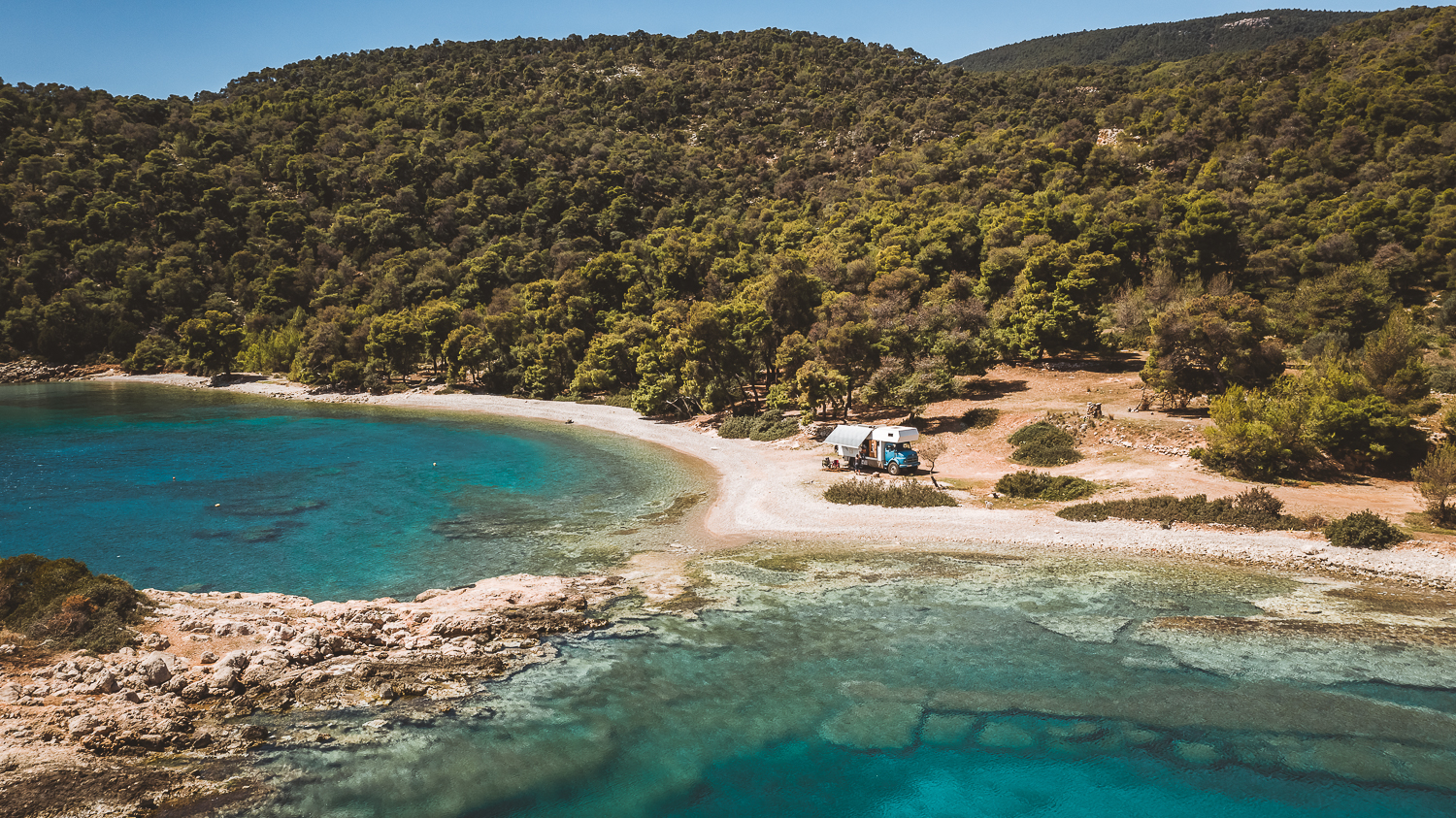
Camp lightly Travel in small groups with few vehicles, targeting less-accessible campsites rather than highly trafficked areas. By steering clear of overused zones, we diffuse our overall impact on the land. Use existing fire rings and avoid geotagging your location on social media. Join local beach cleanups or do what you can on your own, focusing especially on plastic waste that is deadly to ocean life.
Drive on beaches with care While many beaches around the world are open to camping, obeying posted signs should be viewed as a starting point only. By limiting our beach driving, we protect nesting birds and turtles. Endangered sea turtle hatchlings can get caught in tire ruts or crushed just below the surface of the sand, so their habitats require special attention. Even where animals seem absent, we should be aware that our heavy vehicles can damage vegetation, compact the sand, and contribute to erosion.
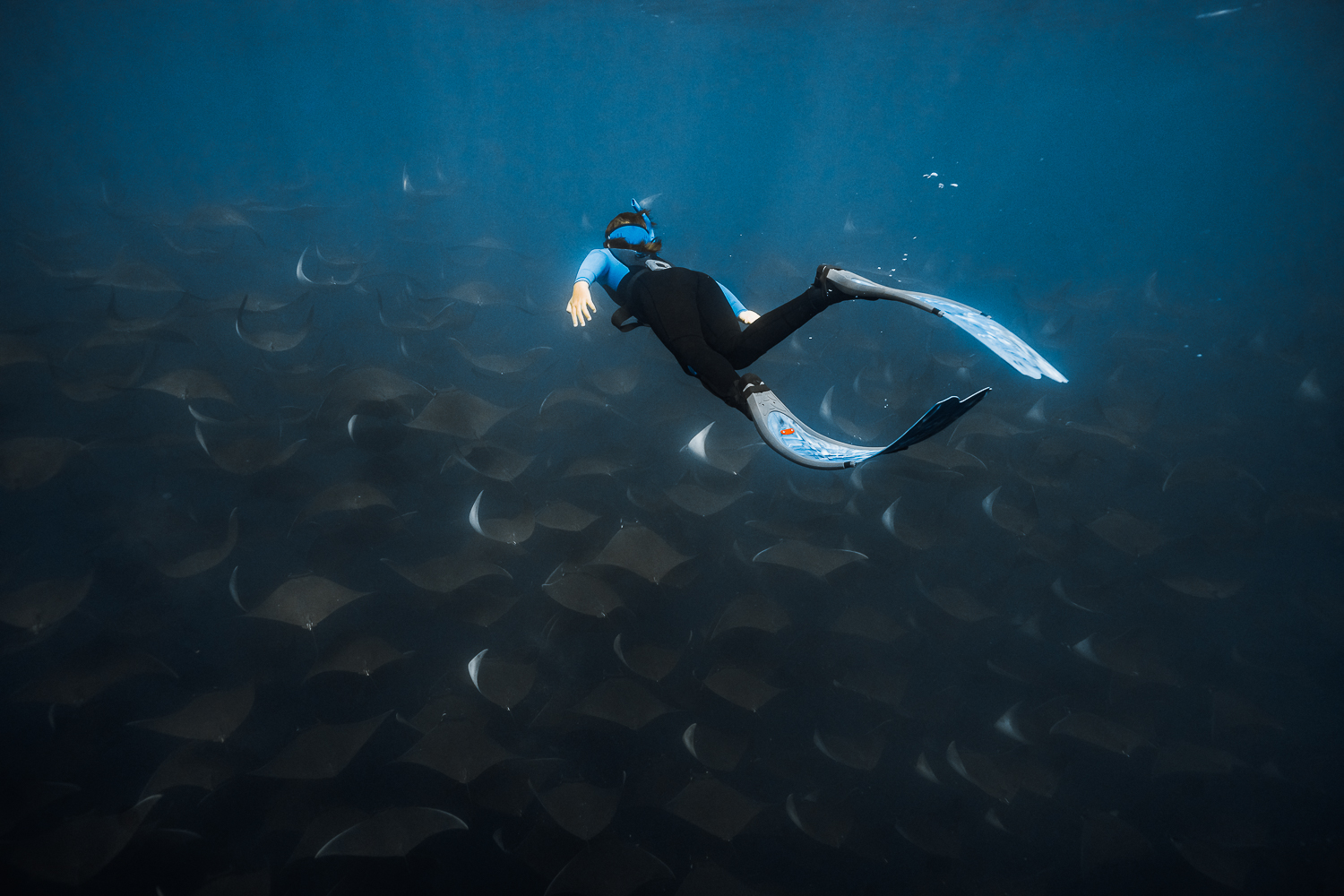
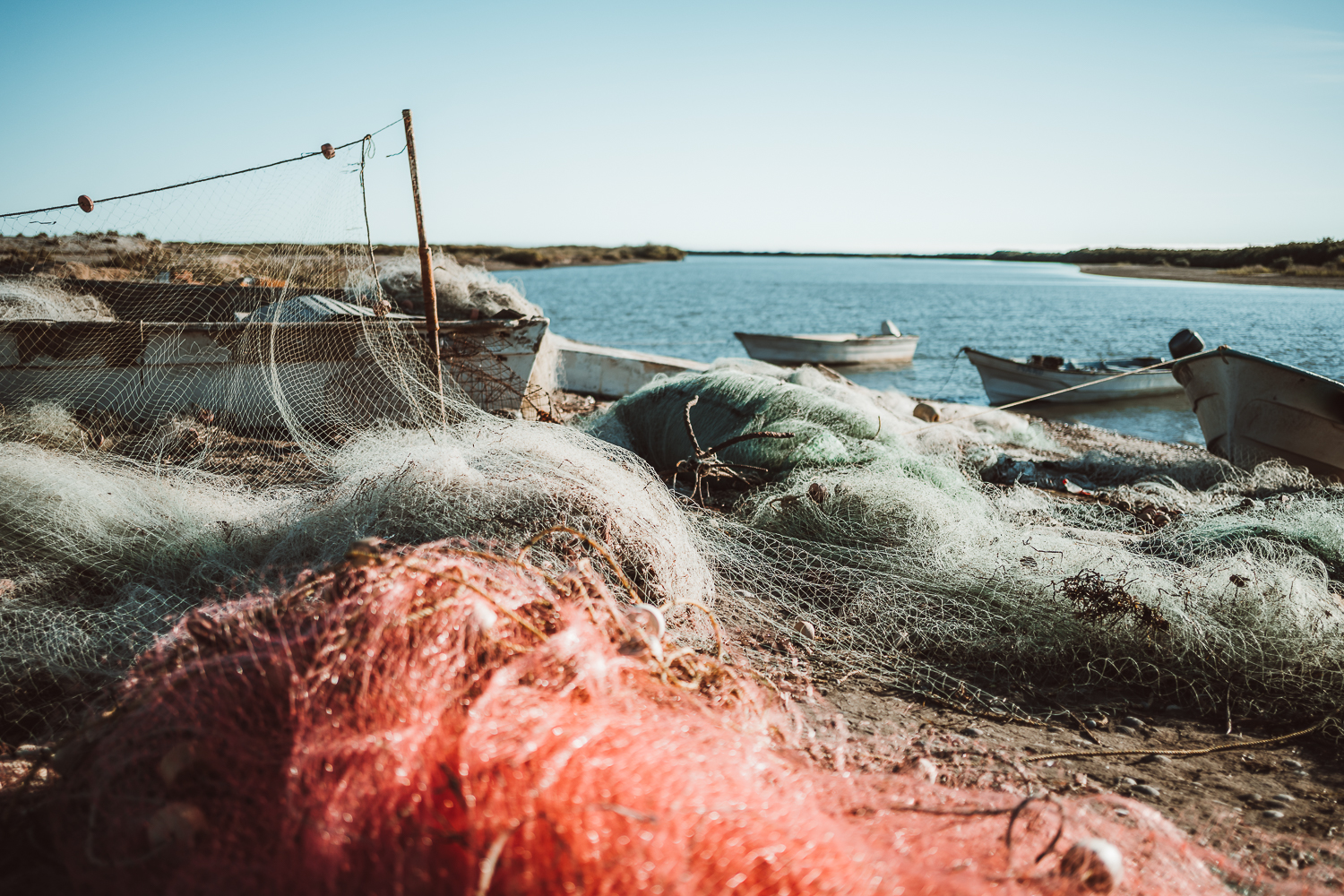
Choose sustainable activities As you seek to recreate on and under the water, look for tourism agencies with a reputation for respecting the environment. Responsible fishing guides steer clients away from overfished species. Scuba diving outfits can lessen negative impacts with precise pre-diving orientations and by avoiding the grounding of boats on delicate reefs. With the prevalence of online reviews, as well as word of mouth among travelers, we have the ability to invest in sustainable tourism. We can also make a difference during mealtimes by educating ourselves about endangered species in the area. While green iguanas are consumed in Belize, and turtle eggs are delicacies in Nicaragua, both species are in decline—as are many others around the world.
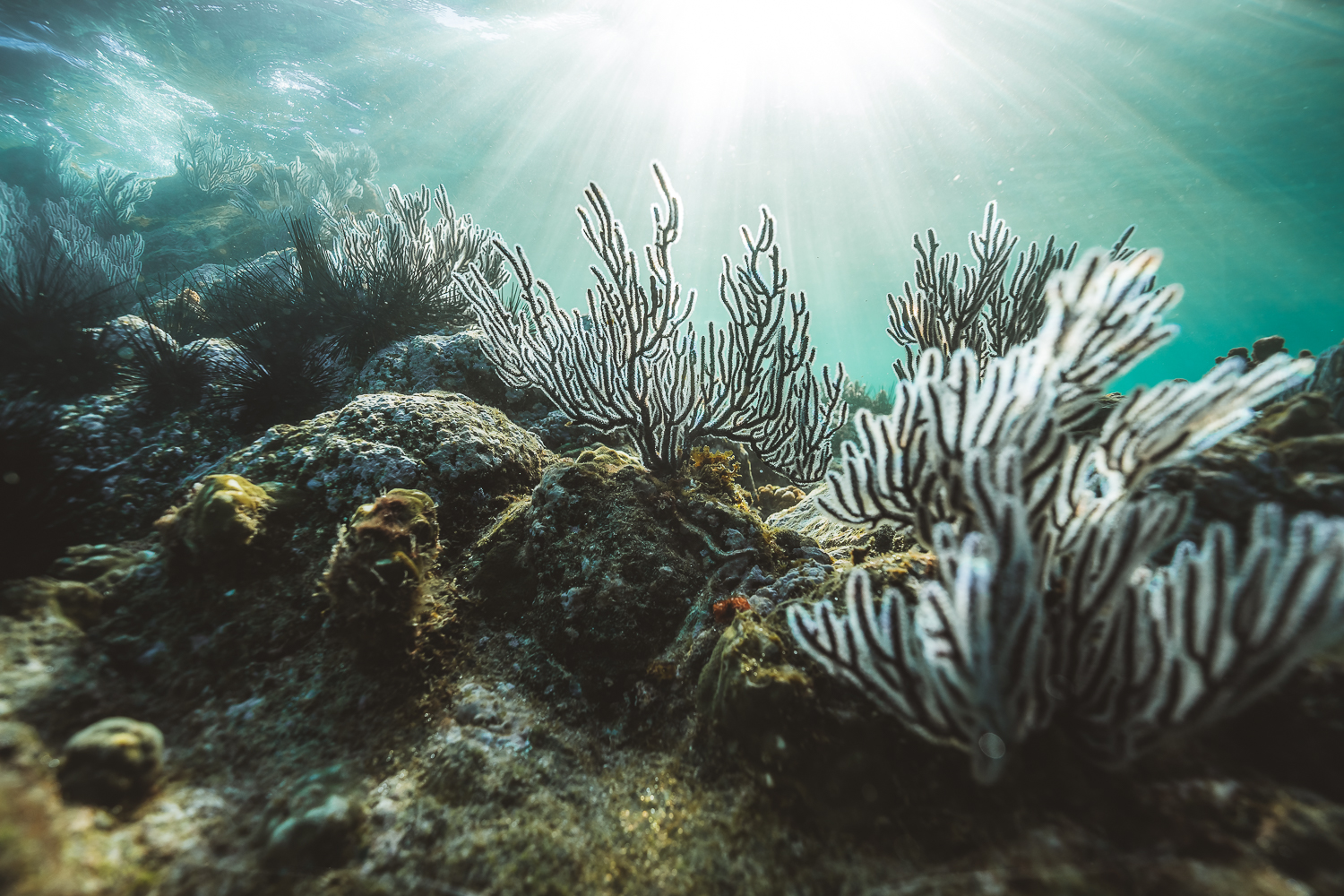
Consider sunscreen habits Common chemicals in sunscreen are known to damage marine life, such as dolphins and other fish, coral, and green algae (our vital source of oxygen). As alternatives, choose an ocean-safe brand like Stream2Sea (you may need to source before departure), protect yourself with UPF clothing, and seek shade during the sun’s highest hours of the day.
Question accepted practices If you’ve driven down Mexico’s Baja California peninsula, chances are you’ve taken a boat tour to see the gray whales. Though the activity is commonplace, it’s worth questioning the impact of touching these whales and their babies. Like many environmental considerations, the answer is not necessarily black and white. The topic is nuanced, and we can enrich our travel experience by educating ourselves. The goal is not to judge the people around us but to examine our personal responsibility and how we can leave a legacy for good.
Remember oceans even while inland We shouldn’t underestimate how our practices inland will eventually affect beaches and oceans. All the rivers flow into the sea. So dishwater should be scattered at least 200 feet from streams and rivers. Human waste should be packed out if possible or buried 6-8 inches deep if absolutely necessary and legally permitted. By following these and other best practices, we safeguard not only the ecosystems where we camp, but also the marine environment freshwater flows into.
Human life cannot exist independently of healthy oceans. We rely on the ocean for stable weather systems, food, medicine, and the very air in our lungs. Embracing this interrelatedness, we can take practical steps to safeguard the marine ecosystems we encounter in our travels.
Resources
National Ocean Service oceanservice.noaa.gov/news/sunscreen-corals.html
WildCoast wildcoast.org/saving-gray-whales-and-responsible-whale-watching-in-baja-california/
Leave No Trace lnt.org/why/7-principles/dispose-of-waste-properly/
Editor’s Note: This article was originally published in Overland Journal’s Spring 2024 Issue.
Our No Compromise Clause: We do not accept advertorial content or allow advertising to influence our coverage, and our contributors are guaranteed editorial independence. Overland International may earn a small commission from affiliate links included in this article. We appreciate your support.
